The aging shoulder and anti-inflammatory effects of turmeric
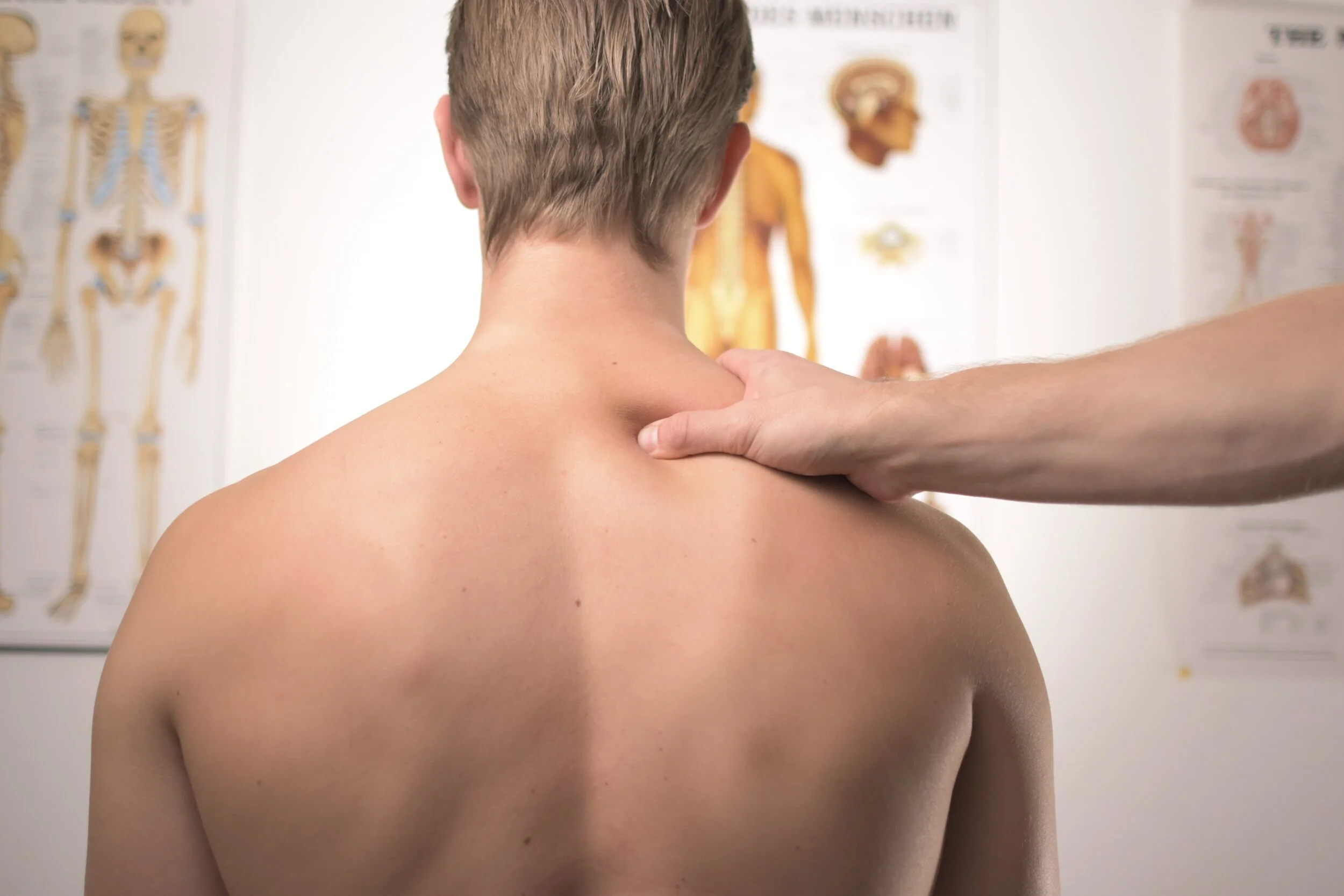
Shoulder pain can really get in the way of daily living. We need the shoulder functioning effectively in order to orient our extremely useful hands in space, so we can work, play, exercise, prepare food, etc. So if you’ve ever experienced shoulder pain you can understand how limiting it can be.
A trip to see the Doctor might get you an appointment to have an ultrasound or an MRI to see what's happening with the shoulder’s joints, muscles, tendons, ligaments, and other soft tissues.
A scan may incriminate the rotator cuff as the potential issue causing the pain.
But how common are rotator cuff injuries??
According to research more common than you would think. Especially more common as we age.
A systematic review done by Teunis et al in 2014 looked at 30 research papers and included 6112 shoulders including symptomatic (in pain) patients and asymptomatic (no pain) patients as well as some cadavers (473) Overall prevalence of rotator cuff abnormalities ranged from 9.7% in patients younger than or 20 years and increased to 62% in patients aged 80 years and older.
The author found the prevalence high enough for the degeneration of the rotator cuff to be considered a common aspect of normal human aging and likely that the rotator cuff is subject to an inherent degenerative process similar to thinning and graying of the hair.
So if rotator cuff abnormalities are as common as greying or thinning hair as we get older, why do some shoulders become painful and why are some pain-free?
The body is incredibly resilient and adaptable given the right circumstances. Think, quality sleep, a good diet, right amount of exercise, manageable stress levels, etc. The abnormality in the rotator cuff combined with high levels of stress, poor sleep, incorrect exercise may be a factor in why someone begins to develop symptoms. A good therapist will take into account all these factors and develop a management strategy based on their findings.
Generally nonoperative treatment including, graded exposure to exercise, pain education and manual therapy techniques are often effective in reducing pain and regaining function in the shoulder. Studies suggest that these treatments should be offered initially and continued in those with a good response and improvement of symptoms before considering surgery.
References:
Rotator cuff tears, an evidence based approach. Sambandam et al (2015)
A systematic review and pooled analysis of the prevalence of rotator cuff disease with increasing age. Teunis et al (2014)
Turmeric (curcuma longa)
Turmeric is a bright orange root in the same family as ginger. Since the time of Ayurveda (1900 Bc) numerous therapeutic activities have been assigned to turmeric for a wide variety of diseases and conditions, including those of the skin, pulmonary, and gastrointestinal systems, aches, pains, wounds, sprains, and liver disorders. Extensive research within the last half-century has proven that most of these activities, once associated with turmeric, are due to a curcuminoid polyphenol within turmeric called curcumin.
Curcumins anti-inflammatory activity is a result of its ability to lower the level of messaging molecules that trigger inflammation including cytokines, chemokines, adhesion molecules, growth factors, and enzymes like, lipoxygenase (LOX), and inducible nitric oxide synthase (iNOS). Turmeric, as a whole, also contains two dozen other anti-inflammatory compounds, including six different COX-2 inhibitors (the COX-2 enzyme speeds up the formation of substances that cause inflammation and pain, and causes tumor cells to grow)
Turmeric and its many compounds may have a role to play in various conditions where oxidative stress and inflammation play a pivotal role such as;
Reducing inflammation and improving muscle recovery from exercise
Diabetes
Cancer
Arthritis
Alzheimer's disease
Cardiovascular diseases
Curcumin, therefore, could be a therapeutic option for the treatment of these issues, however poor absorption is a well-recognized phenomenon within the research. This is due primarily to 3 factors, poor bioavailability, rapid metabolism, and rapid systemic elimination in the body. To improve the bioavailability of curcumin, numerous approaches in the supplement industry have been undertaken including the creation of Liposomal curcumin, Nanoparticle curcumin, Curcumin phospholipid complexes, and Curcumin analogues. When looking for a curcumin supplement look for curcumin in one of these forms.
Another popular approach is using black pepper (piperine), which increases curcumins absorption by inhibiting liver and intestinal enzymes that transform and then excrete its beneficial properties. Piperine, however, may also affect the metabolism of other drugs so if you are taking any medication you will want to check with your health professional first. Otherwise, curcumin and turmeric supplements are safe to take and generally don't have any side effects.
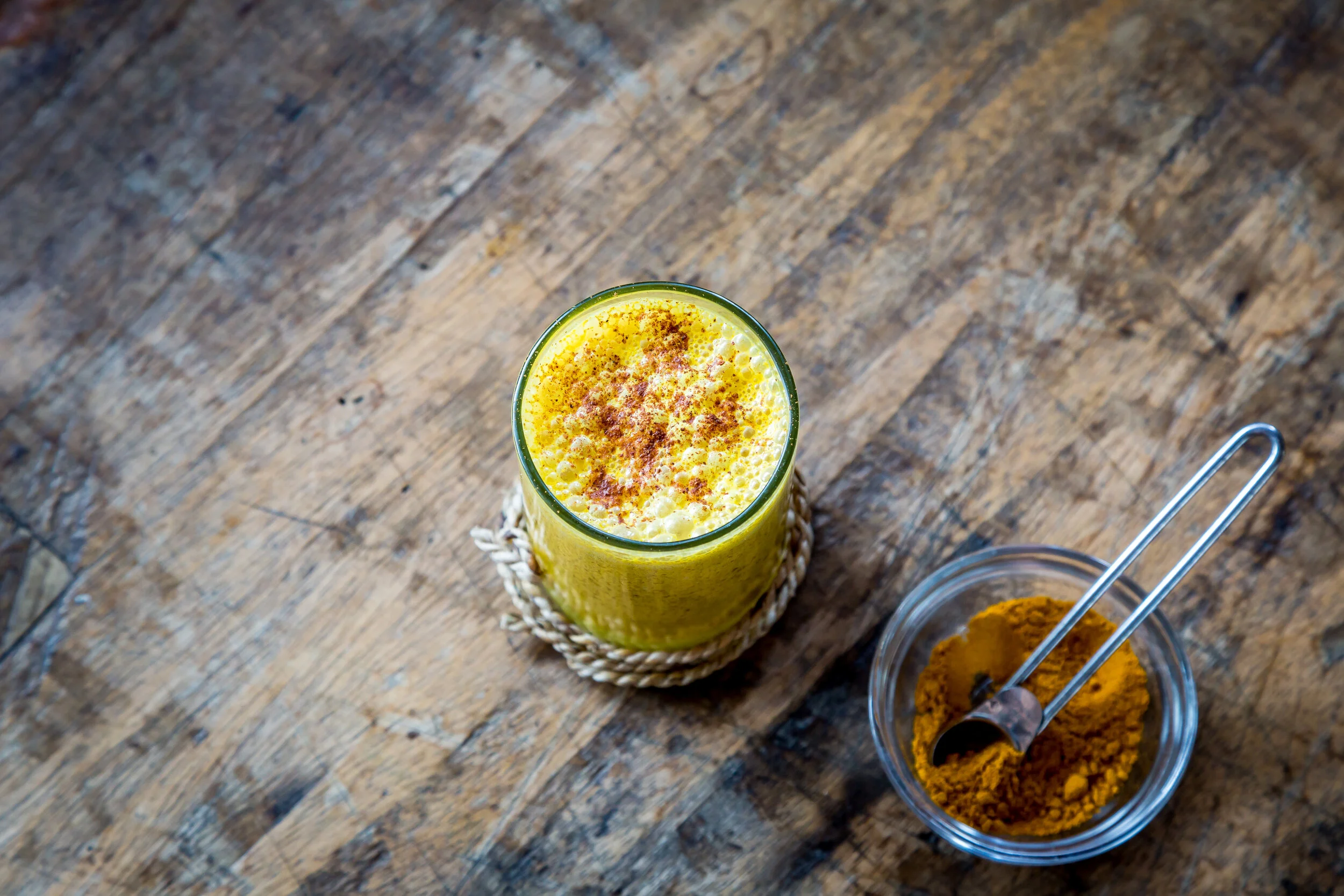
Ways to get more turmeric into your diet
Include turmeric in your diet by adding it to smoothies, salad dressings as a marinade for meat or fish, or by making a turmeric-infused tea or latte
References
The beneficial role of curcumin on inflammation, diabetes and neurodegenerative disease: A recent update. Ghosh et al 2015
Curium effects on inflammation and performance recovery following eccentric exercise-induced muscle damage. Davis et al 2007
Bioavailability of curcumin: Problems and promises. Anand et al 2007
The holy grail of churchmen and its efficacy in various diseases: is bioavailability truly a big concern. Toden et al 2017